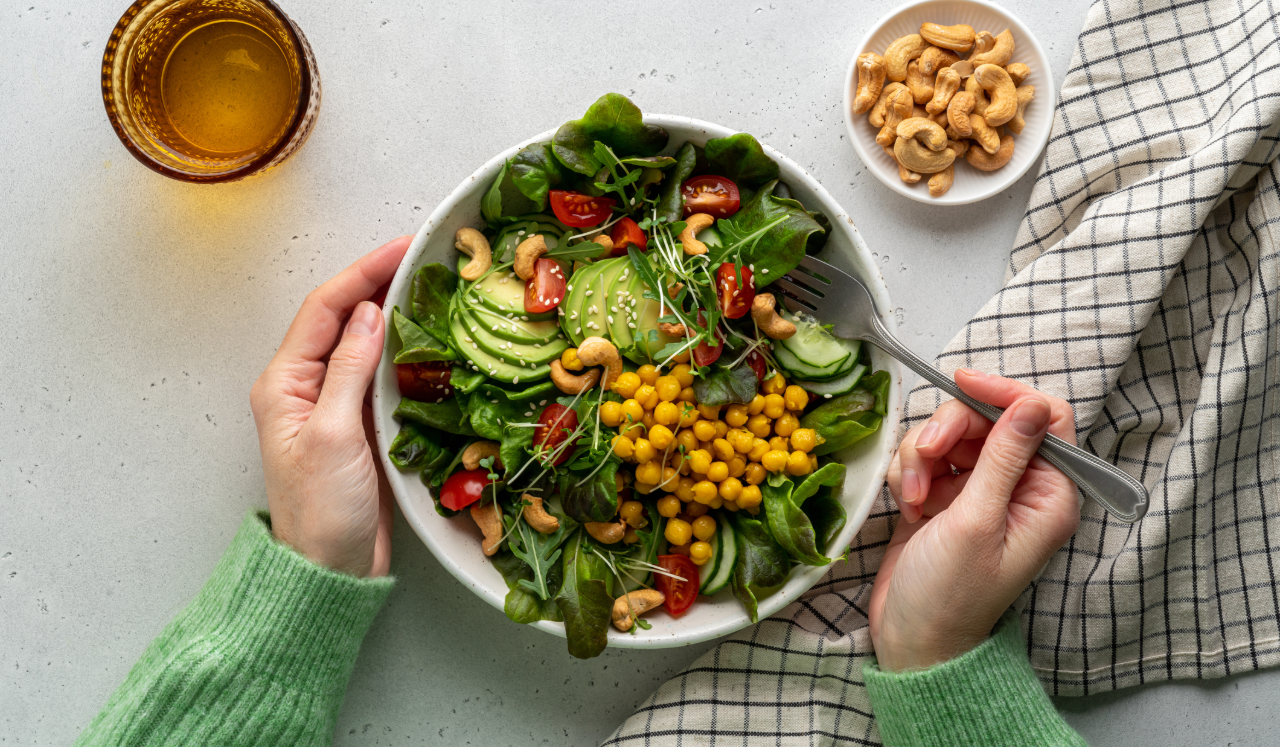
For years, protein has dominated conversations about healthy eating. Grocery store shelves are filled with high-protein snacks, social media is packed with protein hacks and many people have made hitting their daily protein goal a priority.
Now, another nutrition trend is taking over social media: “fibermaxxing.”
The idea is to intentionally build meals around fiber-rich foods to improve gut health, stay fuller longer and support overall wellness. While the name may be new, registered dietitians say the concept itself is anything but. “I always encourage people to prioritize getting adequate fiber because it is an important nutrient that most people do not meet the recommended amount,” says Kimberly Collins, MS, RDN, LD, CHC, a registered dietitian and certified health coach with Memorial Hermann.
The good news? Simply eating more fiber-rich foods can provide meaningful health benefits.
Why Most People Aren't Getting Enough Fiber
Fiber is found naturally in plant-based foods, including fruits, vegetables, whole grains, beans, nuts and seeds. Yet despite its importance, most people consume only about half of the recommended amount of fiber each day.
According to Collins, there are several reasons why. For one, many people simply don't eat enough fruits and vegetables. Highly processed foods have become staples in the average American’s diet, replacing whole foods that naturally contain more fiber.
Busy schedules can make the problem even worse. Even if you prefer fresh meals, it takes planning and time to make them happen, which makes it easier to opt for a less fiber-dense, more convenient food choice at the end of a long day. “Taking the time to plan meals and finding time to get home and prep requires intention,” Collins says.
Why Fiber Matters
Fiber does much more than aid with digestion. One of its biggest roles is supporting the trillions of bacteria that make up your gut microbiome. These beneficial bacteria rely on fiber as a food source, which in turn helps them maintain a healthy digestive system for you. “Fiber is the food that our healthy gut flora, that bacteria in our gut, needs to feed on to help build up a healthy GI system,” Collins says.
Researchers continue to learn more about the relationship between gut health and overall health, including the connection between the digestive system and the brain, through what is known as the gut-brain axis.
Beyond gut health, fiber offers several other benefits:
- Helps you feel full longer
- Supports healthy blood sugar levels
- Helps lower cholesterol
- Promotes regular bowel movements
- Supports healthy weight management
- Plays an important role in hormone metabolism
Higher-fiber diets have also been associated with a lower risk of colorectal cancer, which has become increasingly common among younger adults. In response to rising rates of colorectal cancer in younger adults, the American Cancer Society now recommends that people at average risk begin screening at age 45.
How Much Fiber Do You Actually Need?
Despite the popularity of fibermaxxing, Collins says most people don't need to obsess over maximizing fiber intake to the extreme. Instead, they should focus on meeting the recommended daily amount. “The average American gets half of the recommended amount,” Collins says. “So, there's room for improvement.”
Current dietary guidelines recommend consuming about 14 grams of fiber for every 1,000 calories eaten. For most adults, that works out to roughly 25 to 38 grams of fiber per day, depending on age, sex and caloric need.
In other words, for most people, fibermaxxing simply means getting your recommended amount, not necessarily getting as much as possible.
Can You Get Too Much Fiber?
Fiber is essential, but increasing your intake too quickly can backfire. Rather than dramatically changing your diet overnight, Collins recommends gradually increasing your intake while also drinking plenty of fluids. “Too much fiber too quickly can slow your digestion, especially if you don't stay hydrated,” Collins explains. “You’ll want to increase fiber intake gradually to avoid bloating and constipation.”
Water is especially important because fiber absorbs fluid as it moves through the digestive tract. Without adequate hydration, increased fiber consumption may make constipation worse.
Collins also recommends choosing water-rich foods like cucumbers and watermelon to help support hydration, particularly during the summer months.
As for people intentionally consuming extremely high amounts of fiber—as much as 70 to 90 grams a day—Collins says she rarely sees that in practice. While excessive fiber intake can contribute to gastrointestinal discomfort, bloating and frequent trips to the bathroom, she says the far more common problem is not getting enough.
The Best Foods for Boosting Fiber
If you're trying to eat more fiber, Collins recommends starting with whole foods rather than supplements whenever possible. Some of her notable high-fiber options include:
- Avocados
- Beans, lentils and legumes
- Broccoli
- Cabbage
- Berries
- Citrus fruits
- Oats
- Chia seeds
“My favorite choice is avocado because it is rich in fiber, and you're also getting healthy monounsaturated fats,” offers Collins. “An avocado can have almost 7 grams of fiber!”
Beans and lentils can also provide two important nutrients at once. “If you're reaching for the beans, you're going to get double bang for your buck,” Collins says. “These foods are rich in both protein and fiber.”
What About Fiber Supplements and Fiber Sodas?
Whole foods remain the best source of fiber because they also provide vitamins, minerals and other beneficial nutrients. Still, Collins says fiber supplements and newer products like prebiotic sodas can have a place. Psyllium husk supplements can be a helpful option, particularly for older adults who struggle to consume enough fiber through food.
She doesn't discourage supplementation, but she also doesn't recommend relying on them as your primary source of fiber. Collins notes that hydration is, once again, essential when taking fiber supplements.
“For psyllium husks, you need to dissolve it really well, so it is important that you drink enough fluids,” Collins says. “If you are taking fiber supplements, it's super important to get adequate fluids.”
Before starting any new supplement, ask your health care provider if it’s right for you.
Helping Kids Eat More Fiber
Getting children to eat vegetables isn't always easy, but Collins encourages parents not to give up after one attempt. “If you have a picky eater and they don’t eat it the first time, don’t get discouraged,” she says. “Just give it some time and then try and reintroduce it later.”
She also recommends finding creative ways to work vegetables into meals your family already enjoys.
- Grated carrots can disappear into spaghetti sauce.
- Zucchini works well in breads and even chocolate cake.
- Mixed vegetables can be stirred into pasta dishes.
- Cauliflower can be used to make pizza crust.
Sometimes, changing how you prepare vegetables can make all the difference. Roasting vegetables, such as Brussels sprouts and carrots, brings out their natural sweetness and creates a crisp texture that many people find more appealing than when they’re boiled or steamed. Adding herbs and seasonings can also improve flavor without relying on excess salt.
Prioritize Progress, Not Perfection
Despite all the attention fiber is getting on social media, Collins says the goal shouldn't be chasing the latest nutrition trend. You should focus on building habits that help you consistently reach your daily fiber goal. Even she admits it isn't always easy. “Even as a dietitian, I sometimes find myself struggling to hit the daily recommended fiber amount,” Collins says.
If you have questions about how much fiber is right for you or are considering making major dietary changes, Collins encourages you to talk with your health care provider or a registered dietitian. Small, steady improvements to your intake are often the most effective way to build healthier eating habits that last.