September 8, 2026
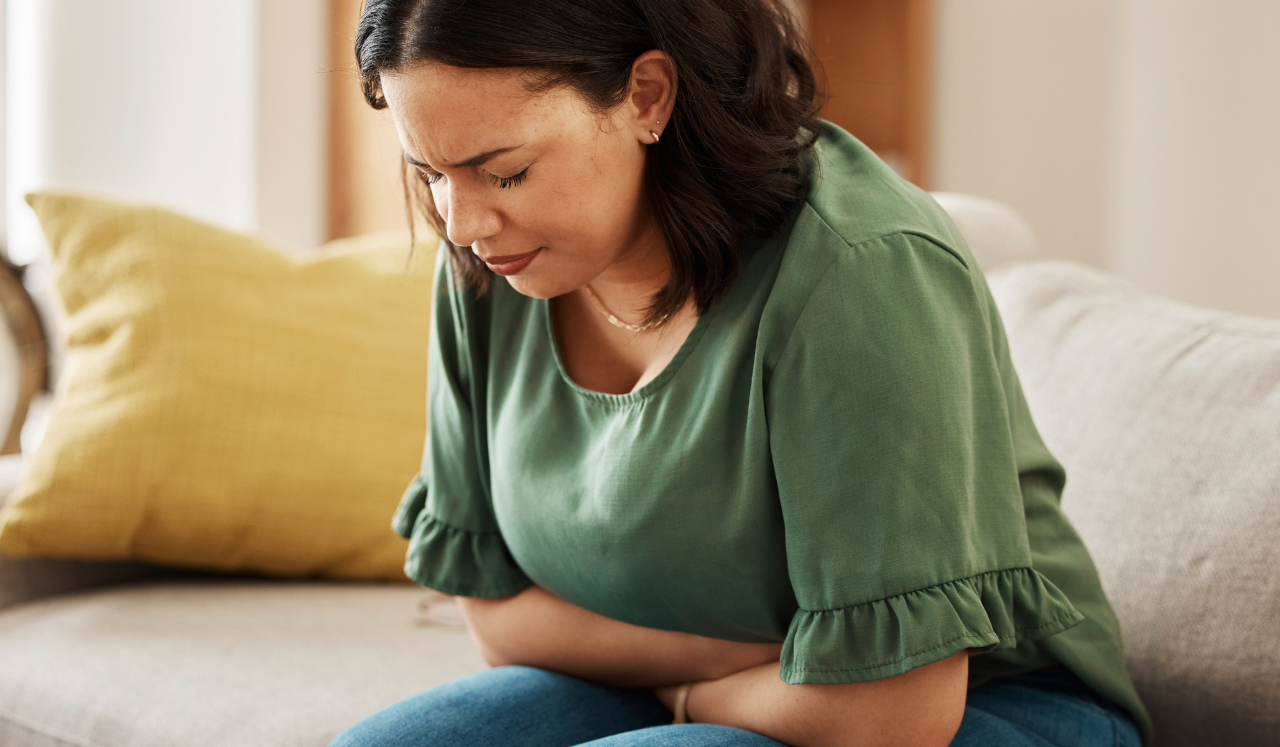
Almost everyone has experienced it: You finish a meal, and before too long, your stomach feels tight, full or swollen. Maybe your pants suddenly feel a little snugger, or you're dealing with uncomfortable gas that wasn't there an hour ago.
Occasional bloating is incredibly common and usually resolves on its own. However, frequent or persistent bloating often points to an underlying digestive issue that's worth discussing with your health care provider.
“Bloating is one of those symptoms that people experience very differently,” says Jayakrishna Davlapur, DO, a primary care physician with Memorial Hermann Medical Group League City. “Two people can have the same amount of gas, but they may experience the symptoms differently.”
The good news is that many cases of bloating can be improved through simple lifestyle changes. Understanding what's causing your bloating is the first step toward finding relief.
The Causes of Bloating
Many people assume bloating simply means they have too much gas, but that's only part of the story.
Bloating generally refers to the sensation of pressure, fullness or tightness in the abdomen. Some people also notice visible swelling or abdominal distension, whereas others experience belching or flatulence. According to Dr. Davlapur, several factors can contribute to bloating:
- Consumption of large meals
- Constipation
- Food intolerances
- Slow stomach emptying (gastroparesis)
- Changes in the bacteria that naturally live in your gut
- A digestive system that's more sensitive to normal amounts of gas
Because there are so many possible causes, paying attention to when bloating occurs can offer important clues.
The Timing of Your Bloating Matters
The timing of your symptoms can help you and your doctor discern where in your digestive tract the problem may be occurring. “If it's happening less than 30 minutes after you eat, know that your stomach is still processing and digesting,” Dr. Davlapur says. “The timing lets us know where that gas is or where there might be an issue.”
Bloating that develops shortly after eating may suggest the stomach is involved. Symptoms that don't begin until a couple of hours later are more likely to originate further down the digestive tract, such as the small intestine or colon, where bacteria can ferment undigested carbohydrates and naturally produce gas.
Tracking when your symptoms occur, what you ate beforehand and how long your symptoms last can help your provider identify potential triggers.
When You Should See a Doctor
Occasional bloating after a large meal usually isn't a cause for concern. However, if symptoms become persistent or begin affecting your daily life, it's time to schedule an appointment. Dr. Davlapur recommends seeing your health care provider if bloating:
- Lasts more than two to three weeks, despite lifestyle changes
- Interferes with your daily activities or quality of life
- Is accompanied by changes in bowel habits
- Begins after age 45 if you've never had a screening colonoscopy
- Occurs alongside a family history of colorectal cancer
Certain symptoms should never be ignored, and you should seek medical care promptly if bloating is accompanied by any of the following:
- Unintentional weight loss greater than 10% of your body weight
- Blood in your stool
- Persistent nausea or vomiting
- Severe or worsening abdominal pain
- Diarrhea or constipation that won't go away
- Symptoms that wake you from sleep
- Anemia or unexplained low iron levels
Simple Ways to Relieve Bloating at Home
If your bloating is occasional and is not accompanied by any symptoms of concern, simple lifestyle changes are often the best way to find relief. In many cases, bloating is tied to everyday habits, such as what you eat, how quickly you eat or how active you are throughout the day. While there is no one-size-fits-all solution, making a few small adjustments can help improve your digestion, reduce trapped gas and reduce the frequency of bloating.
Stay Hydrated
Although water doesn't directly cure bloating, staying hydrated does help food move through your digestive tract and reduces constipation, which is a common contributor to bloating. “There is limited evidence directly showing that water reduces bloating. However, there is a strong physiologic basis for staying adequately hydrated,” Dr. Davlapur says. “Bloating is a common symptom of constipation, and adequate fluid intake helps keep stool softer and moving through the digestive tract. This is particularly important when increasing fiber intake, since adding fiber without adequate fluid can worsen constipation and bloating.”
Aim for about 1.5 to 2 liters (about six to eight 8-oz cups) of water per day, though your individual needs may vary depending on your activity level and overall health.
Increase Fiber Slowly
Fiber helps keep your digestive system moving too, but adding too much too quickly can make bloating worse. “Sometimes a sudden increase in added fiber can increase gas,” he says.
Dr. Davlapur recommends increasing soluble fiber gradually with about 5 grams per week until you reach the recommended amount (25 grams per day for women and 38 grams per day for men), an amount that many adults fall well short of hitting.
Get Moving
One of the simplest remedies for bloating may be taking a short walk, especially after a meal. Your digestive tract relies on coordinated muscle contractions, known as peristalsis, to move food and gas through your system. Physical activity helps support that natural process.
“Going for a 10-to-15-minute walk after you eat can help move things along in your body,” Dr. Davlapur says. “That's why we recommend it. Not only is it free and easy but it also helps with that digestive peristalsis process.”
Manage Stress
If you've ever had “butterflies” before a big presentation or stressful event, you've already experienced the connection between your brain and your digestive system. Researchers now know that stress can influence how your gut moves, how sensitive it is and even the bacteria that live there.
“There is a brain-gut connection,” explains Dr. Davlapur. “We know that stress hormones can affect how your gut moves, and people who have chronic psychological stressors often tend to have chronic digestive issues. Sometimes addressing any chronic stress in your life can help address the digestive symptoms as well.”
Mindfulness, meditation, breathing exercises, getting enough sleep and cognitive behavioral therapy have all been shown to help reduce digestive symptoms in some people.
Common Habits That Can Make Bloating Worse
Sometimes, the problem isn't what you eat but how you eat. Below are some habits that Dr. Davlapur recommends to improve the quality of your meal times:
- Chew your food thoroughly
- Eat slower
- Avoid distractions while eating
- Eat meals on a regular schedule
- Avoid lying down immediately after meals
Swallowing excess air can also contribute to bloating. Drinking through a straw, eating too quickly and consuming carbonated beverages (whether those be alcohol, sugary sodas, prebiotic sodas or sparkling water) all introduce additional gas into the digestive tract.
“Carbonated drinks can contribute to bloating because of the carbon dioxide gas that's dissolved in those liquids,” Dr. Davlapur explains.
Certain Foods That May Be Triggering Your Symptoms
Some foods naturally produce more gas than others, particularly those containing certain carbohydrates known as FODMAPs (Fermentable Oligosaccharides, Disaccharides, Monosaccharides and Polyols). These carbohydrates are poorly absorbed by the small intestine and can be fermented by gut bacteria, a process that produces gas.
Common triggers include:
- Garlic and onions
- Apples and pears
- Beans
- Dairy products for people with lactose intolerance
- Sugar-free gum and candies containing sweeteners like sorbitol or xylitol
- Carbonated beverages
If you suspect certain foods are contributing to your symptoms, you may find it helpful to keep a food diary to identify patterns. But before eliminating large groups of foods, talk with your health care provider or a registered dietitian to make sure your diet remains balanced.
Don't Ignore Persistent Bloating
Most episodes of bloating improve with simple lifestyle adjustments, but persistent symptoms deserve attention. Dr. Davlapur wants people to remember that bloating isn't always caused by excess gas, and it's certainly not “all in your head.” “There's a real gut-brain connection, so lifestyle changes are going to be very important,” he says. “But bloating is not always gas; there can be other reasons behind it.”
If bloating becomes frequent, lasts for several weeks or is accompanied by other symptoms of concern, don't ignore it. Work with your health care provider to help you determine whether simple lifestyle changes are enough or whether an underlying digestive condition needs to be addressed.