 For some people, a stroke may be preceded by a transient ischemic attack (TIA), sometimes called a mini-stroke. TIA symptoms can disappear within minutes, but they can be an important warning sign that a more serious stroke may follow.
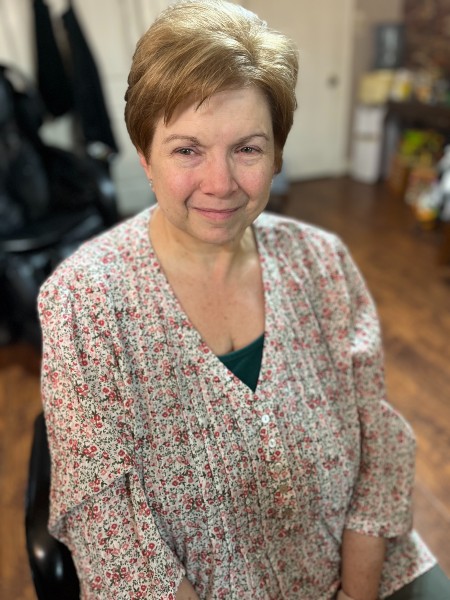
Elizabeth Saldivar received this kind of warning. Her right arm went weak, her purse slipped out of her hand, and then the feeling passed and she felt fine again.
A few hours later the symptoms returned, and this time they did not let up. The Sugar Land resident could not feed herself. She could not drink through a straw. She kept dropping her handbag. "I just didn't feel right," she recalls.
She did not wait to see whether it would pass again. "The only thing I could think of doing is to tell my husband whatever's happening to me is happening right now and call 911," Elizabeth said
Rapid Stroke Care at Memorial Hermann Southwest
That decision set in motion the emergency response Elizabeth needed. She was flown from Memorial Hermann Sugar Land Hospital to Memorial Hermann Southwest , where a multidisciplinary team moved quickly to evaluate her condition and begin treatment.
Joseph Cochran, MD, board-certified neurosurgeon with Memorial Hermann Mischer Neuroscience Associates - Southwest, performed an emergency, minimally invasive procedure to restore blood flow to Elizabeth's brain at Memorial Hermann Southwest.
"By the time my husband and my family arrived, I had already been in and out of surgery and moved into an ICU room," Elizabeth said.
In stroke care, speed can make a critical difference. When blood flow to part of the brain is interrupted, every minute matters, making rapid recognition, diagnosis and treatment essential to preserving brain function and improving the chances for recovery.
As part of Memorial Hermann Southwest’s Comprehensive Stroke Center, patients are cared for by a multidisciplinary team that includes vascular neurologists, neurosurgeons, emergency physicians and specialized stroke nurses.
Dr. Cochran says recognizing the warning signs and seeking immediate treatment can dramatically improve outcomes. "Symptoms that arrive, resolve and then return are commonly dismissed," Dr. Cochran explained. "The typical symptoms are weakness on one side or loss of speech. It's the sudden onset that's important, and the quicker you get treatment, the better off your recovery is going to be."
For patients whose stroke is caused by a blocked blood vessel, rapid intervention can restore blood flow before permanent brain damage occurs.
Dr. Cochran says even mild symptoms should never be ignored. "If anybody is concerned about stroke-like symptoms, they should go to the emergency room or call 911 right away," said Dr. Cochran. "Because even subtle symptoms like a facial droop or a little bit of difficulty speaking could be a precursor to a much larger set of symptoms that may render somebody immobile. So, it's important that if you're having any little symptoms, to either go to the emergency room or call 911immediately."
Restoring Blood Flow to the Brain
In an ischemic stroke, a clot blocks blood flow to part of the brain, depriving brain tissue of the oxygen and nutrients it needs. For certain patients, specialists can use a minimally invasive procedure called mechanical thrombectomy to remove the clot and restore blood flow without open brain surgery.
"Of all the things that we do, it basically just involves threading a catheter up into the neck, and then working through that catheter, sending an even smaller catheter up into the brain to manually retrieve that clot and pull it out," said Dr. Cochran.
For Elizabeth, the difference could be seen in her brain imaging. Reviewing the scans with her, Dr. Cochran points to a large section of the brain that was not receiving adequate blood flow before treatment. "That whole area of the brain is not getting blood," he said. "After the procedure, the whole left side of the brain is now filling normally with blood."
The images offered Elizabeth a powerful visual representation of what had happened—and what the Memorial Hermann Southwest team had been able to accomplish by restoring circulation to her brain.
From Emergency Treatment to Rehabilitation
For Elizabeth, removing the clot was only the beginning. Her care at Memorial Hermann Southwest continued as she began the work of recovering the abilities affected by her stroke. Saldivar spent 22 days at the hospital, including three hours of rehabilitation therapy each day.
Working alongside her rehabilitation team, she focused on rebuilding strength, coordination and independence. The intensive therapy became an important part of her recovery, with team members encouraging her to keep working toward the activities she had once taken for granted. "They were relentless, they were giving, they were wonderful people," she says. "I owe my life to the people at Memorial Hermann Southwest."
She jokes that the schedule had an upside. "You know that little wish we all have, to have an hour a day with a trainer? I had that."
From the emergency treatment that restored blood flow to her brain to the rehabilitation that helped her regain function, Elizabeth's experience brought together multiple areas of stroke care at Memorial Hermann Southwest.
Recognizing the Signs of Stroke
Because stroke symptoms come on suddenly and time determines how much brain tissue can be saved, Dr. Cochran teaches patients a six-letter reminder: BEFAST—Balance, Eyes, Face, Arms, Speech and Time.
If your balance is affected, your eyesight becomes blurry, one side of the face suddenly droops, an arm becomes weak or numb, or speech becomes slurred or difficult, it is time to call 911. Even if the symptoms improve or disappear, they should not be ignored.
Waiting to see if stroke symptoms resolve can delay potentially lifesaving treatment.
Reducing Stroke Risk
While recognizing and responding to stroke symptoms is critical, Dr. Cochran emphasizes that reducing stroke risk before an emergency occurs is equally important. Managing conditions such as high blood pressure, diabetes and high cholesterol, along with regular physical activity and a heart-healthy diet, can all play a role in stroke prevention.
For some patients, physicians may also recommend medications, including aspirin or other therapies, based on their individual medical history and stroke risk. Patients should talk with their health care provider before beginning or changing any medication regimen.
"I'd say lifestyle is also very, very important. Eating healthy, exercising, avoiding things like high blood pressure, diabetes, high cholesterol, those are all very, very important," said Dr. Cochran. "But when somebody does have family history, they have to be extra diligent and have to really work with their doctors to make sure that their risk factors are minimized."
Moving Forward After Stroke
Today, Saldivar walks, works and talks.
Her recovery has given her a new perspective not only on what she survived, but also on how she wants to care for herself moving forward. "There's a little disconnect with some of those neurons still, but that's okay," she said. " I think that's actually one of the driving forces to keep me focused on being healthier now."
For Elizabeth, surviving a stroke meant more than making it through a medical emergency. With rapid intervention, specialized treatment and rehabilitation at Memorial Hermann Southwest, she was able to return to her life—and move forward with a renewed commitment to her health.