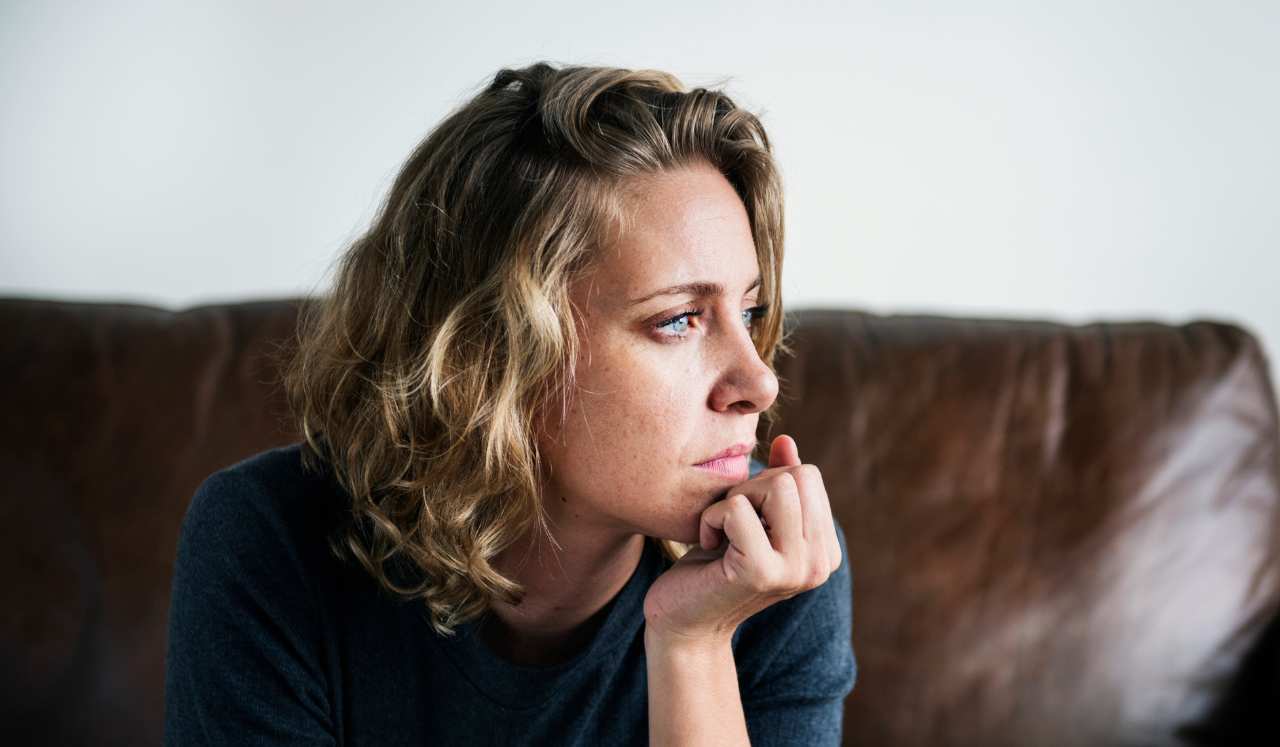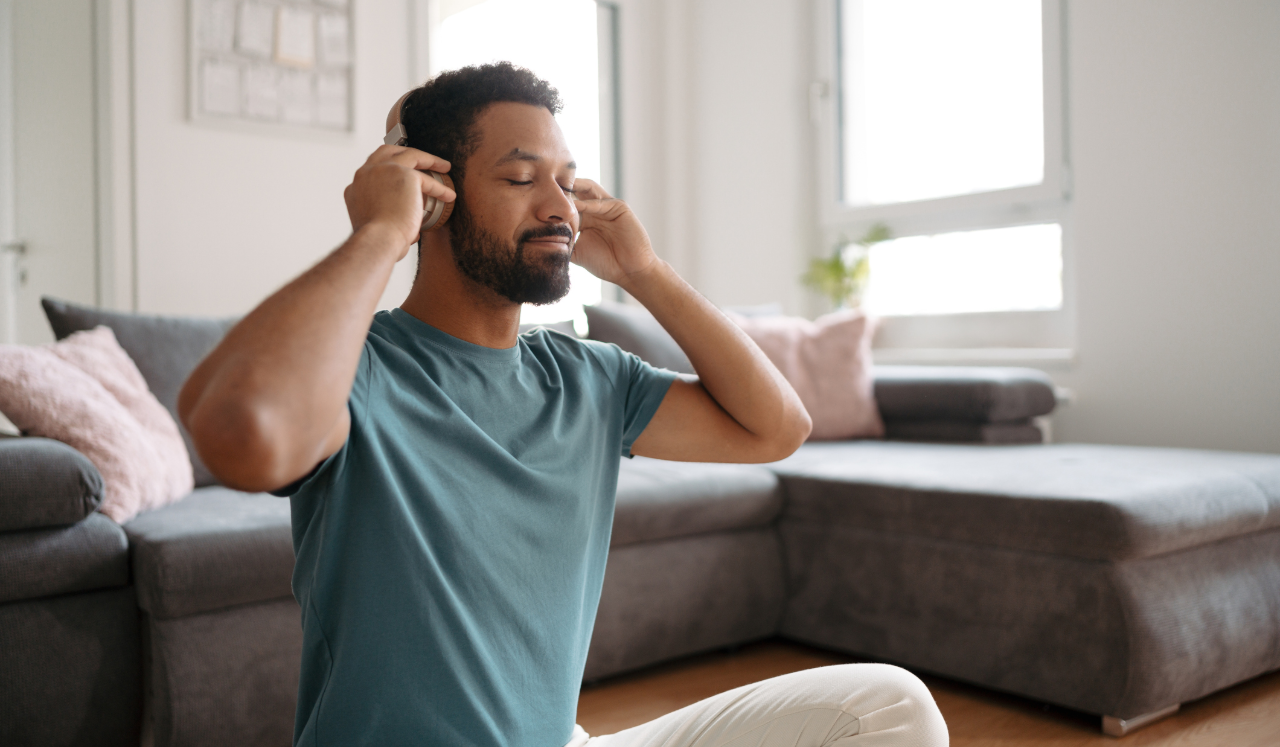
Your heart starts racing. Your breathing feels shallow. You suddenly feel dizzy and exhausted. Moments like these are often signs that your nervous system is overstimulated.
“When your nervous system gets flooded, it’s not able to process everything coming in,” says Matthew Tritico, Licensed Professional Counselor and program therapist at Memorial Hermann Wellness Workplace Health and Safety. “When you are exposed to a lot of stimuli at once, a combination of lights, noise and people, suddenly overstimulation can increase dramatically.”
An overstimulated nervous system triggers what many people recognize as the fight-or-flight response. According to the National Institute of Mental Health, anxiety disorders affect more than 19% of U.S. adults each year. But how can you calm an overstimulated body and mind? The first step toward bringing your body back to baseline is understanding what is happening inside it.
What Overstimulation Feels Like
When your nervous system is overstimulated, your body will usually signal that something is off. “You’re going to feel drained and very exhausted,” Tritico says.
Common physical symptoms of anxiety-related responses include an increased heart rate, rapid breathing and dizziness. “That’s the fight or flight feeling,” Tritico explains.
Even if there is no immediate danger, your brain interprets the overload as a threat.
What Triggers an Overstimulated Nervous System?
Triggers are deeply personal. Tritico notes that they can vary wildly from person to person. For some people, being in certain environments can cause overstimulation:
- Crowded grocery stores
- Hospitals or doctors’ offices
- Brightly lit areas
- Loud spaces like concerts or sporting events
- Areas with strong odors
For others, internal factors can trigger a response. “If you’re already thinking about something that causes anxiety, like a big presentation at work on Monday or the mountain of laundry waiting for you at home, you can increase your overstimulation in a way that could send you into a place of heightened anxiety or panic.”
For individuals with ADHD, overstimulation may occur more quickly.
“ADHD affects a person’s general ability to handle their environment, which depletes their tolerance level and can lead to a rapid onset of overstimulation,” Tritico explains. “They’re already trying to self-regulate in any given moment, so any added stressors or triggers can cause mental fatigue and sensory overload.”
Start With Breathing
When your nervous system is overly stimulated, breathing is the fastest way to interrupt the cascade because it can help you calm both mental and physical stimulation. When anxiety spikes, breathing often becomes shallow or rapid. In such moments, it is crucial to take a deep breath and focus on the feeling of breathing. Here are some breathing techniques that Tritico suggests:
4-2-6 Breathing
- Inhale through your nose for 4 seconds
- Hold for 2 seconds
- Exhale slowly for 6 seconds
The 4-7-8 Method
- Inhale through your nose for 4 seconds
- Hold for 7 seconds
- Exhale slowly for 8 seconds
While many folks know that breathing is an important tool for grounding themselves during an episode of heightened anxiety, having a specific number sequence can make it easier to remember when you’re stressed.
“Breathing through the nose is helpful because it allows you to take a more consistent breath, and you can definitely feel it in your body,” Tritico says.
Want to take it to the next level? The next time you find yourself overstimulated, place one hand on your stomach and one on your chest. Allow yourself to feel the rhythm of your breath to ground yourself.
The 5-4-3-2-1 Grounding Technique
Grounding helps shift your attention away from panic and back to the present. This technique can help you get out of your internal headspace and calm your nervous system. Start by identifying the following:
- Five things you see
- Four things you can touch
- Three things you can hear
- Two things you can smell
- One thing you can taste
Tritico notes that the best part is that you can use this grounding technique anytime at any place. “You could be in the grocery store, you could be in a hospital, you could be in a waiting room or at a concert,” he says. “The 5-4-3-2-1 technique is a simple way to focus on something else, ground yourself in the moment and begin to breathe again.”
Cold and Heat Therapy
You can also use your external environment to interrupt and deter anxious thought patterns. If you are at home, Tritico suggests simple cold exposure:
- Splash cold water on your face (this can work in a public place if you can get to a bathroom)
- Open the freezer and breathe slowly for 30 seconds
- Hold an ice cube until it melts
Cold works because it redirects focus. “When we’re anxious, it’s a fear of something that hasn’t happened yet,” he says. “Cold exposure tricks your brain and puts you in the here-and-now.”
Heat can also help because it allows your mind and body to rest. For example, when you step into a hot tub, the initial sensation will grab your attention, but as your body adjusts, it relaxes.
Be sure to consult a health professional before trying temperature-based strategies to manage anxiety if you have certain health conditions.
Gentle Movement and Self-Soothing
Movement can regulate the nervous system by redirecting attention. “That’s the self-soothing mechanism,” Tritico says. “Rocking or other repetitive movement can help you focus on something else, which can create enough space for a sense of calm to take over.”
This may look like:
- Rocking gently
- Bouncing a knee
- Taking a short walk
- Stretching
- Stepping outside for five minutes
“If we can allow ourselves a distraction, even for five minutes, it can be a game changer,” Tritico says.
Regular physical activity also supports long-term mental health with even moderate movement to help reduce symptoms of anxiety and depression.
When to Seek Professional Help
Learning how your nervous system responds and building a personalized toolkit can make overstimulation feel less overwhelming. And while these tools often help people in the moment, they are not a substitute for professional help if being overstimulated is consistently impacting your personal and professional life.
While anxiety can make your body feel out of control, simple practices can help you regulate, recalibrate and return to balance.