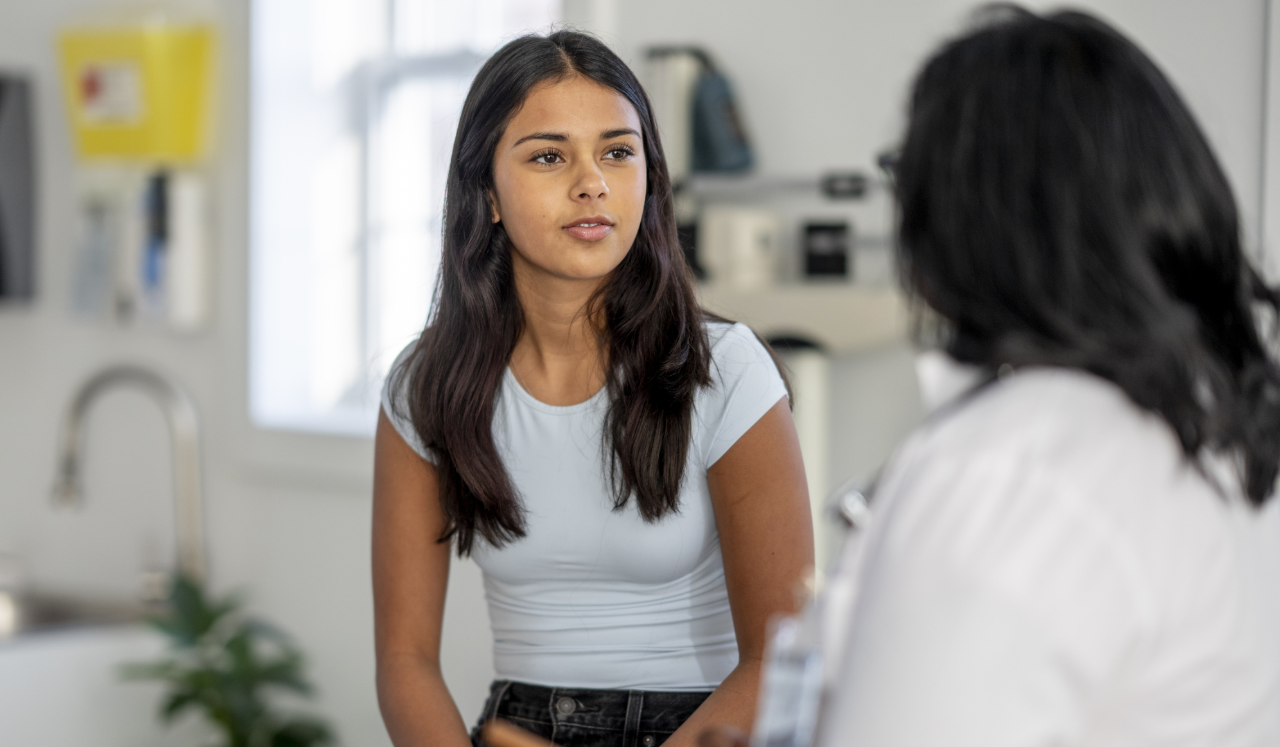
For many young women, preparing for college for the first time comes with a long checklist: register for classes, shop for dorm essentials and prepare for life away from home. One thing that often gets overlooked is establishing care with an OB/GYN.
“Preparing for college coincides with women transitioning from their pediatrician to a primary care physician,” says Chioma Ogbejesi, MD, an OB/GYN with Memorial Hermann Medical Group. “In addition, it’s important for a college-aged woman to also have a provider who specializes in women’s care.”
Scheduling a visit with an OB/GYN prior to college can help young women better understand their menstrual health, discuss birth control options if appropriate and establish a trusted relationship with a provider before navigating health care independently.
Why Establishing Care Before College Matters
For a woman looking to establish care with a new provider, Dr. Ogbejesi recommends finding an OB/GYN close to their hometown. “When a student comes home for their winter, spring or summer breaks, it’s important to have that continuity with a provider who is familiar to them, where they can check in and make sure things are going okay,” she says. “Building that relationship early can make future visits feel less intimidating.”
Having an established OB/GYN provider also makes it easier to discuss concerns that many young women may not feel comfortable bringing up elsewhere, including:
- Painful periods
- Heavy menstrual bleeding
- Irregular cycles
- Birth control options
- Vaginal discharge
- Pelvic pain
What to Expect at a First OB/GYN Visit
For many young women, the first OB/GYN appointment can feel intimidating, Dr. Ogbejesi says, so bringing a trusted support person can help ease anxiety. “While some patients prefer to attend alone, others find comfort with their mother, sister or close friend coming to the appointment and stepping out for the exam itself,” she says. “It can be incredibly helpful to calm any nerves.”
The first visit itself often focuses more on education and discussion rather than on procedures. Depending on symptoms and concerns, conversations may include:
- Menstrual health
- Sexual health
- Vaccines
- Sexually transmitted infection (STI) prevention
- Birth control options
- Family medical history
Dr. Ogbejesi encourages young women to begin learning their own medical history before going to an appointment. Having that up-to-date information could be incredibly helpful to the physician should any issues come up. If symptoms warrant further evaluation, an OB/GYN may recommend any of the following:
- A pelvic exam
- Blood work to check for anemia
- Ultrasound imaging to identify fibroids or polyps
- STI testing
- Birth control—not simply for contraception but to alleviate painful periods
- Additional procedures if needed
What Is Considered a “Normal” Period?
One of the biggest misconceptions Dr. Ogbejesi sees is the belief that severe pain or very heavy bleeding during a period is simply something women must tolerate. “Many women have heard that it is ‘normal to be in pain,’” she says. “But if your period is painful to the point where you can't even get up and go to school, or if you are having a hard time with severe nausea, vomiting and painful bowel movements, there could be something else going on that needs medical attention.”
Some common symptoms that may be worth reaching out to an OB/GYN for include:
- Soaking through a pad every one to two hours
- Fatigue during periods caused by blood loss
- Irregular periods beyond the first two years of menstruation
- Fewer than eight menstrual cycles a year
Dr. Ogbejesi says many women spend years dismissing symptoms because they were told painful or heavy periods were “just part of being a woman.”
“So many women, especially when they're getting into their late 20s and early 30s, have been enduring these painful or heavy cycles since they were teenagers,” she says. “But there could be underlying reasons for these problems.”
She points out that in some cases those symptoms may point to conditions like the following:
- Fibroids
- Polyendocrine metabolic ovarian syndrome (formerly known as polycystic ovarian syndrome)
- Endometriosis
“In the past, women may have heard that they were not strong enough to handle their periods,” she says. “Today we're trying to do better by our patients, listen to their concerns and evaluate what's going on. After all, some of these conditions can affect fertility later in life if left untreated.”
Preventive Care Matters, Too
Pre-college visits are also an opportunity to discuss preventive care and sexual health education. As young women begin managing more of their health care independently, these appointments can help establish healthy habits early, including staying up to date on vaccines, understanding STI prevention, learning when to seek medical attention and becoming more comfortable discussing reproductive health concerns openly with a provider.
HPV Vaccination
“The HPV vaccine is something the medical community highly recommends,” Dr. Ogbejesi says. “It decreases the risk of cervical cancer significantly.”
Most physicians recommend routine HPV vaccination beginning at ages 11 to 12, though vaccination can still be beneficial later for those who did not receive it within the early window. Dr. Ogbejesi says she encourages those vaccinations, especially before someone becomes sexually active.
STI Education and Protection
College often comes with increased independence, which also means responsibility for making informed health decisions. “It is important to advocate for a practice of safe sex for women,” Dr. Ogbejesi says. “Be mindful that your decisions today could impact your future.”
STI testing may include screening for:
- Gonorrhea
- Chlamydia
- HIV
- Syphilis
- Hepatitis
- Herpes
She also emphasizes the importance of condoms and routine STI testing for sexually active individuals.
Breast Awareness
Dr. Ogbejesi encourages young women to become familiar with their own bodies, saying that it is never a bad idea to cultivate “breast awareness.” This requires women to make a habit of paying attention to their breasts and noting any changes.
While some changes can be normal, such as tenderness during certain parts of your cycle, concerning changes can include the following:
- New lumps
- Skin changes
- Persistent tenderness
- Nipple discharge
When to Seek Medical Attention
Even if away from their hometown OB/GYN, Dr. Ogbejesi says that young women should seek medical care if they experience any of the following:
- Severe pelvic pain
- Very heavy bleeding
- Irregular periods
- Pain with intercourse
- Severe nausea or vomiting during periods
- After a possible sexual assault or trauma
“Regarding any sexual assault or trauma, you want to make sure you promptly get treated and evaluated,” she advises.
Many college campuses have health centers that can provide immediate support and connect students with additional care if needed.
Advocating for Yourself Matters
As young women transition into adulthood, learning to advocate for their health becomes increasingly important. Most importantly, she encourages patients to trust themselves when something feels wrong.
“Women have so much knowledge and insight into their bodies,” Dr. Ogbejesi says. “If there's ever a point where you don't think that your OB/GYN is listening to you, be assured that it is okay to find a provider who is willing to listen.”