For many people trying to lose weight, the primary focus is often the number on the scale. Even though losing weight noticeably improves various aspects of health, dropping weight too quickly can sometimes create unintended health issues, including problems with the gallbladder. This is true regardless of the method of weight loss whether it be medication, bariatric surgery or aggressive dieting.
With the growing popularity of GLP-1 medications, such as semaglutide-based treatments, surgeons and gastroenterologists are seeing more patients develop gallstones and gallbladder-related symptoms caused by rapid weight loss.
Cristina Perez Viso, MD, a general surgeon affiliated with Memorial Hermann Pearland Hospital, says understanding the early warning signs of gallbladder disease is critical. “My hope is that those on weight loss journeys understand the signs and come in earlier if they start experiencing symptoms,” Dr. Perez Viso says.
What Does the Gallbladder Actually Do?
Many people know the gallbladder exists, but few understand its role. The gallbladder is a small storage organ that sits just below your liver, under your right rib cage. Its main job is to store and release bile, a digestive fluid that the liver makes to help you digest fats.
The liver continuously produces this bile, and the gallbladder stores and concentrates it until it is needed. After eating fatty foods, the gallbladder releases bile into the digestive tract to help break down fat.
Signs Your Gallbladder May Not Be Working Properly
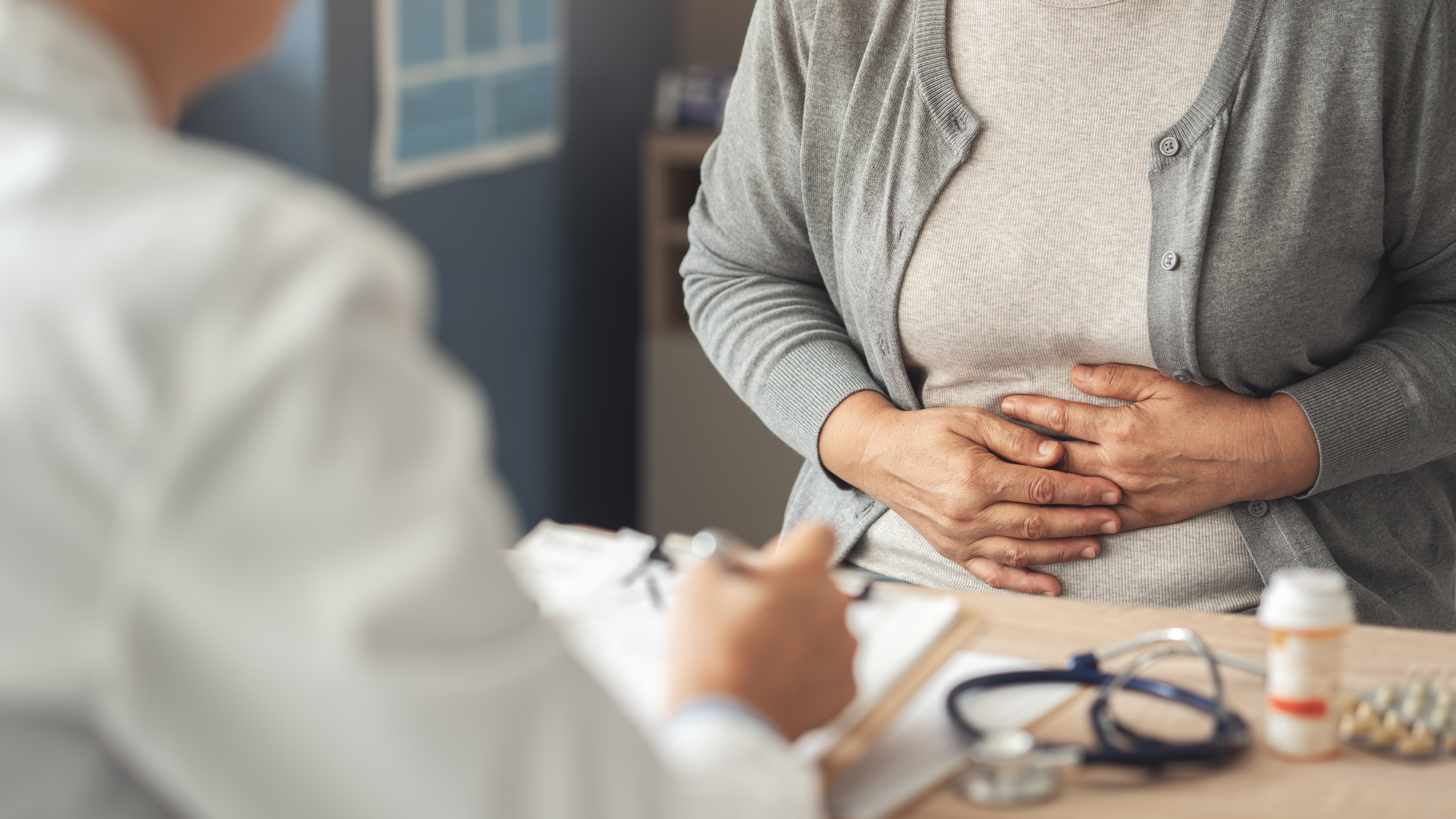
Gallbladder problems often begin with symptoms related specifically to fat digestion. “The classic symptom of gallbladder problems is discomfort in the right upper or the center abdomen, known as epigastric pain, that generally begins 30 to 60 minutes after meals,” Dr. Perez Viso says.
That pain may:
- Occur on the right side or center of the abdomen
- Radiate to the back or right shoulder
- Be associated with nausea or vomiting
- Wake you up at night
Doctors refer to this as biliary colic, which is often an early sign that gallstones are interfering with normal bile flow. However, more serious symptoms can develop if the condition progresses. “If stones fully block the outlet of the gallbladder, the pain will become constant,” Dr. Perez Viso explains.
Severe abdominal pain, fever, jaundice or pancreatitis symptoms can signal dangerous complications requiring urgent medical attention.
Why Rapid Weight Loss Raises Gallstone Risk
According to Dr. Perez Viso, the risk of gallstones rises significantly once weight loss becomes too aggressive, regardless of how a person sheds those pounds. “Weight loss of more than 3 pounds per week is where we’re seeing increased risk,” she says.
She also notes concern when people lose “about 10% to15% of their body weight in a short period of time,” particularly within about three months. This is commonly seen with the following interventions:
- Bariatric surgery
- Aggressive dieting
- Intermittent fasting combined with GLP-1 medications
- Rapid weight loss related to GLP-1 use
“Patients who have rapid weight loss experience increased cholesterol mobilization,” Dr. Perez Viso explains. That process can create “supersaturation of the bile that makes it precipitate in the form of stones.”
GLP-1 medications may increase that risk in multiple ways, primarily by reducing how much a person eats. “Any patient who has reduced caloric intake may experience slower gallbladder emptying,” Dr. Perez Viso explains.
Another issue associated with GLP-1 medications is delayed digestion. Everything in your GI tract slows down, including the time it takes for your gallbladder to empty. “When bile sits too long inside the gallbladder, stones are more likely to form,” Dr. Perez Viso notes.
Not Every Side Effect Means Gallstones
Many people taking GLP-1 medications experience nausea or digestive discomfort, but it’s important to note that this does not automatically mean gallstones are present. What matters more is the pattern of the pain and discomfort.
Gallbladder pain is often tied to meals and tends to occur in the upper right abdomen. Dr. Perez Viso says that persistent or recurring symptoms after meals should not be ignored. “If your pain has specific triggers, realize that that is not normal,” she advises. “Do not wait for symptoms to become severe.”
Patients should seek medical attention if they experience the following:
- Recurrent upper abdominal pain
- Pain after meals
- Fever
- Jaundice
- Persistent nausea or vomiting
- Severe or constant abdominal pain
When evaluating for gallbladder disease, doctors rely heavily on patient history and imaging. Dr. Perez Viso says that a patient’s “history is key,” so if you are experiencing symptoms that you suspect are associated with your gallbladder, be sure to gather as much detailed information about the pain and when it occurs.
In conjunction with a patient’s history, an ultrasound is typically the first imaging test used to identify stones or inflammation. Blood work, including liver enzyme testing, may also help identify complications.
Can Gallstones Be Treated Without Surgery?
Some people live with gallstones and never develop symptoms. But once symptoms begin, surgery is often the most effective treatment. “There’s no medication that can dissolve gallstones,” Dr. Perez Viso says. “Once gallstones become symptomatic, surgery resolves symptoms for the majority of patients.”
Importantly, surgery removes the entire gallbladder, not just the stones. Modern gallbladder surgery is usually minimally invasive and outpatient. “When patients come in for the procedure electively, they arrive in the morning and then go home a few hours after,” she says.
However, patients taking GLP-1 medications may need to temporarily stop before having surgery because delayed stomach emptying can increase anesthesia risks. “GLP-1 medications put you at a higher risk of aspiration,” Dr. Perez Viso says, “Because your stomach can be full of undigested food.”
After recovery following surgery, however, patients can typically resume their medications and continue their weight loss journey.
What Recovery Looks Like After Gallbladder Surgery
Most patients recover relatively quickly after surgery. “Two things that I tell my patients to avoid after surgery are heavy lifting and spicy or fatty foods, generally for about one month,” Dr. Perez Viso says.
While physical recovery from the surgery is minimal, the body will need to adjust internally. The liver will still continuously produce bile after surgery, but the storage unit for that bile is gone, so the body will need to adjust. Reintroducing fatty foods too quickly can lead to diarrhea, which is one of the most common side effects after surgery.
“It may take four to six weeks for you to be able to get to a point where you can introduce fats again,” offers Dr. Perez Viso, “So you’ll have to hold off on a greasy hamburger for a while.”
Why Early Symptoms Matter
Rapid weight loss can improve many aspects of health, but it can stress the gallbladder if it happens too quickly. Working with a qualified physician, monitoring your symptoms carefully and avoiding extreme approaches to weight loss can help reduce your risk of complications.
Most importantly, recurring abdominal pain should never be ignored. “Abdominal pain that comes and goes with specific triggers is a signal that something is wrong,” Dr. Perez Viso says.
For patients using GLP-1 medications or pursuing significant weight loss, being able to recognize symptoms early and to seek medical attention promptly can help prevent more serious complications down the road.
Get Your Daily Dose of Health & Wellness
Sign up to receive the latest articles in your inbox.