Summer brings longer days, pool time, vacations, overnight camps and plenty of time outdoors. But with the fun also comes increased risks for dehydration, sunburn, bug bites, water injuries and other seasonal accidents.
For parents, keeping children safe during the summer often comes down to preparation, supervision, knowing what to watch for and understanding what to avoid. From sun safety to water precautions, here are some of the biggest summer safety reminders families should keep in mind, according to Ayesha Mohiuddin, MD, FAAP, a pediatrician with Children’s Memorial Hermann Pediatrics at Memorial Hermann Katy Hospital.
Sun Safety Starts with Timing, Sunscreen and Clothing
In Texas, intense summer heat and UV exposure can quickly become dangerous, especially for younger children. Dr. Mohiuddin recommends limiting prolonged outdoor activity during peak afternoon hours whenever possible.
“Definitely avoid the peak sun hours from 12 p.m. to 4 p.m. because the UV rays are the strongest at that time,” says Dr. Mohiuddin.
If children are outside, she encourages regular cooling breaks in the shade, if not indoors. “If you are outside, especially with younger kids, I recommend going back inside after 30 minutes to cool off in the air conditioning before going back out,” she says. “Shade is key, so if you have to stay outdoors, try to find shadier areas.”
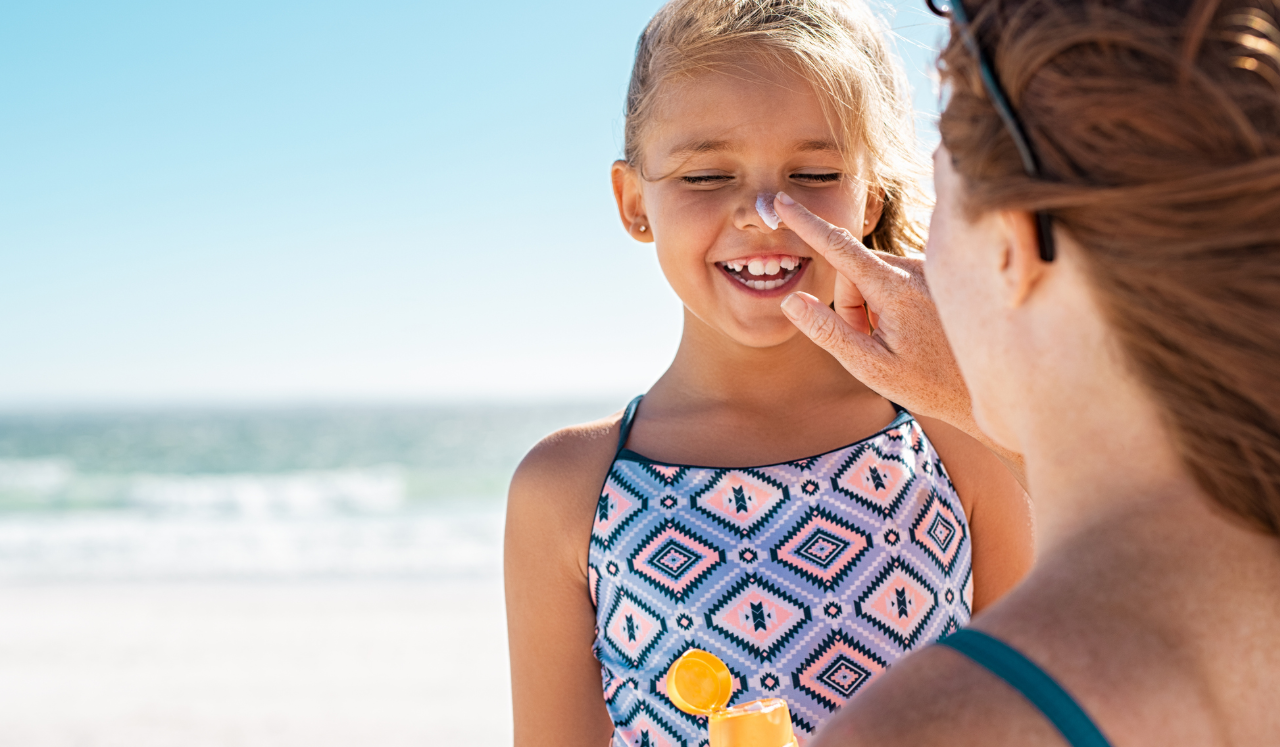
The CDC recommends using broad-spectrum sunscreen with SPF 15 or higher, though many pediatricians, including Dr. Mohiuddin, recommend SPF 30 or higher for children who spend extended time outdoors. For sunscreen to be effective, regular reapplication is key. One applications in the morning is often not enough, especially when water and sweat are involved.
“If your children happen to be outside for more than two hours, be sure to go ahead and reapply sunscreen,” she says. “And if they're playing in the water, I advise reapplying once they come out and dry off.”
When it comes to sunscreen recommendations, Dr. Mohiuddin generally endorses mineral sunscreen options for children. This type of sunscreen has fewer additives and tends to be more natural.
Another effective sun-safety tip is wearing protective clothing, which can significantly reduce UV exposure. Items to consider include:
- Wide-brimmed hats
- Long-sleeve rash guards
- Longer swimsuits
- Lightweight protective clothing
“The more coverage protective clothing provides, the fewer UV rays hit your kids,” she says.
Heat and Hydration Go Hand in Hand
Children can become dehydrated quickly during summer activities, especially in the Houston heat. To combat this issue, Dr. Mohiuddin recommends keeping water easily accessible throughout the day. “Make sure to carry a supply of water with you, like a water bottle or a sippy cup,” she says. “And be sure to take regular water breaks during outdoor play and sports, every 15 minutes.”
For more strenuous outdoor activities that result in a lot of sweating, some children may also benefit from electrolyte replacement. Some of Dr. Mohiuddin’s favorite options include coconut water, lower-sugar sports drinks, and pediatric electrolyte beverages. Note that parents should speak with their pediatrician before introducing electrolyte drinks regularly, especially for younger children.
Know the Signs of Heat Illness
One of the biggest dangers during summer is heat illness, a broad term that includes various forms of heat-related conditions. Learning to recognize when children are becoming overheated is essential. “If a child is outdoors in the heat for too long, you may begin to see them lose steam and start to act lethargically,” Dr. Mohiuddin says. “That may signal a problem.”
Changes in body temperature can also be concerning. If there's temperature variations when you're checking your child’s temperature, that could be a sign of getting overheated or heat stroke. Parents should seek medical attention if children develop any of the following:
- Extreme fatigue
- Confusion
- Persistent vomiting
- Dizziness
- High body temperature
- Difficulty staying awake
Water Safety Requires Constant Attention
Drowning remains one of the leading causes of accidental death for children in the United States. Dr. Mohiuddin emphasizes that supervision must remain constant when children are around water, with one caregiver focused on watching one child in the water at a time. This advice even extends to shallow kiddie pools—because even two inches of water can pose a drowning risk, according to Dr. Mohiuddin.
That means caregivers must avoid distractions like phones, conversations or multitasking while supervising children in the pool.
Trips to ocean beaches present their own unique challenges. Dr. Mohiuddin encourages parents to take the following precautions:
- Check flag warnings before entering the water
- Monitor wave conditions
- Pay attention to water quality advisories
- Stay close to younger swimmers
“For something as unpredictable as the ocean, I’d suggest that you get into the water with your kids,” she says, “Especially your younger children.”
Life Jackets Matter
Children participating in boating, kayaking, jet skiing or other water activities should wear properly fitted life jackets at all times. She notes that flotation devices marketed for pools are not substitutes for life jackets approved by a recognized authority, often the U.S. Coast Guard. “Many parents put their kids in those arm floaties attached to a chest strap, but they are not as safe as a life vest itself,” she says.
For children boarding boats or other water vessels, parents should ensure that life jackets fit properly, match the child’s weight and size and remain snugly fastened throughout the activity.
Protecting Kids from Bug Bites
Beyond the sun and water, parents need to make sure that their children are protected from insect bites. Mosquitoes become especially active during dusk hours, making evening outdoor activities a common time for bites. If you must be outside and notice a lot of pesky mosquitoes, insect repellents may help reduce bites, but they should only be used on children older than 2 months. Additional protective steps include:
- Applying repellent to exposed skin
- Using mosquito netting over strollers
- Wearing clothing that covers more skin
- Avoiding areas with standing water when possible
Families should talk with their pediatrician about which repellents are safest for their child’s age.
What About Ticks and Snake Safety?
Families who spend time camping or hiking should perform routine skin checks for ticks. “If you are in an area where there are a lot of ticks, be sure to check the common spots at the end of the day: behind the ears, at the nape of the neck, along the hairline and in the folds of skin in sensitive areas,” Dr. Mohiuddin says.
Parents who find a tick should use tweezers, grasping the insect as close to the skin’s surface as possible, and pulling in one direction to ensure all parts of the tick are removed. Also available on the market are items called “tick keys,” which can make it easier to remove ticks. Keeping a kit for tick removal and bug bite treatment can make care simpler in the busy summer months. If a caregiver is unsure how to remove it, they should contact their pediatrician for guidance.
Snake encounters are another summer concern, especially in grassy or wooded areas. Dr. Mohiuddin advises you to check your surroundings, especially if there's a lot of brush or grassy areas. She also recommends wearing closed-toe shoes outdoors, using flashlights at night and being observant as you hike and walk in the woods.
Be Prepared for Minor Cuts and Scrapes
Summer activities often come with a plethora of minor injuries, which can make a basic first aid kit helpful for families on the go. Even Dr. Mohiuddin carries a first aid kit in her car for the bumps, bruises and scratches that often accompany a fun-filled summer.
When building their first aid kid, parents should include at least the following supplies:
- Bandages
- Gentle soap
- Clean water
- Gauze
- Antibiotic ointment
For minor scrapes, cleaning the wound and keeping it covered is usually enough. Deeper cuts or wounds that continue bleeding may require medical evaluation.
Summer Safety Includes Rest and Routine
While summer often brings packed schedules filled with camps, sports and travel, Dr. Mohiuddin says children still need adequate sleep and structure. “So many kids’ schedules are jam-packed with summer activities, camps and extracurricular things,” she says. “But it is still very important to make sure they're getting a good night’s sleep, especially if they’re staying up later than usual.”
Dr. Mohiuddin says that it’s advantageous for families to maintain a bit of consistency even in the free-wheeling spirit of the summer. “A little bit of a routine and structure to the day can help kids sleep at night,” she says.
When in Doubt, Contact Your Pediatrician
Summer activities can create plenty of unexpected situations, especially during travel or outdoor adventures. When unexpected things pop up, Dr. Mohiuddin encourages parents not to hesitate to call when questions arise.
“If parents have any questions about safety or what to do in the summer for traveling, your pediatrician is there for you,” she says. “Definitely feel free to reach out to them to get more guidance and advice.”